
Traces of time
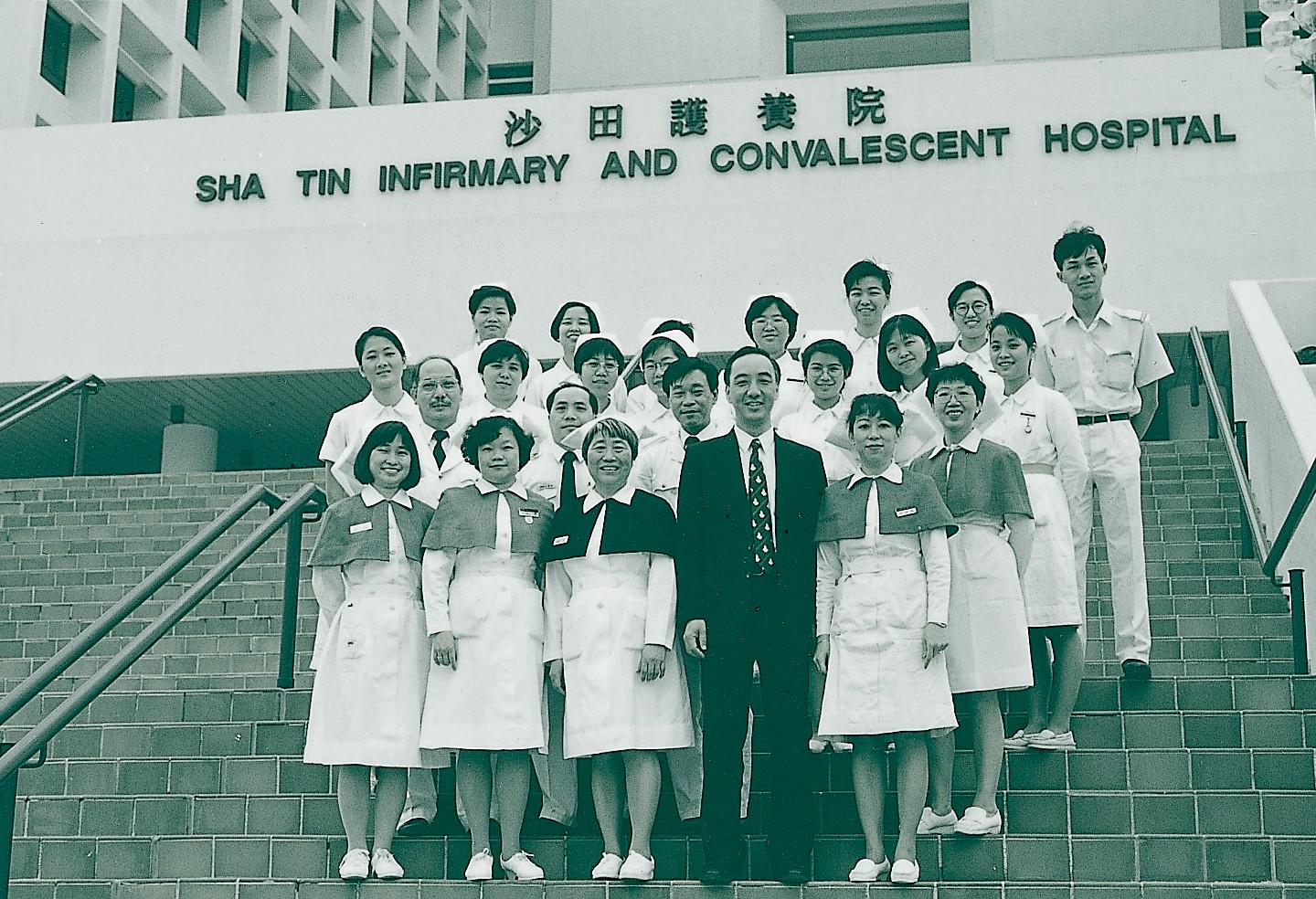
SH: The 'Beach Hospital'
Shatin Infirmary and Convalescent Hospital was the first government-built infirmary in Hong Kong specifically for patients requiring long-term care. Following a transformation in its services, it was renamed Shatin Hospital in 1993, shifting its primary focus to accommodating sub-acute patients. In the early days, the new hospital at A Kung Kok was unfamiliar to many patients. To put them at ease during their transfer, medical staff nicknamed SH 'Beach Hospital', a name that symbolised its pleasant environment: Wards offered breathtaking views of the Shing Mun River and the Sha Tin Racecourse, providing a tranquil atmosphere where patients could relax both mind and body to focus on their recovery.
A logo capturing architecture and environment features

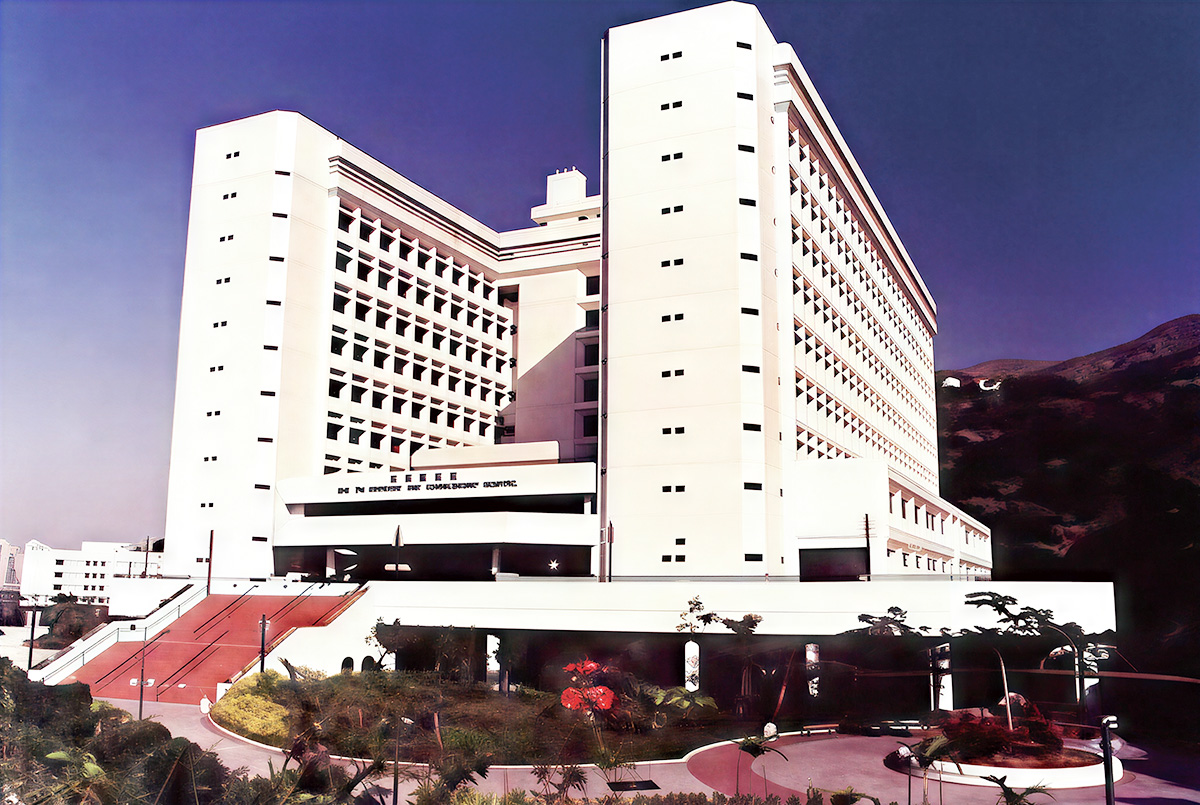
The hospital logo was designed by Solomon Woo Shuk-lam, the former Department Operations Manager of the Department of Psychiatry. The curves of the letter 'S' mirror the winding path of the Shing Mun River outside the hospital, while the architectural outline of the main building forms the letter 'H'. Together, 'S' and 'H' serve as the abbreviation for Shatin Hospital while symbolising its unique geographic location nestled between the mountain and the water.
The bus stop inside the ward
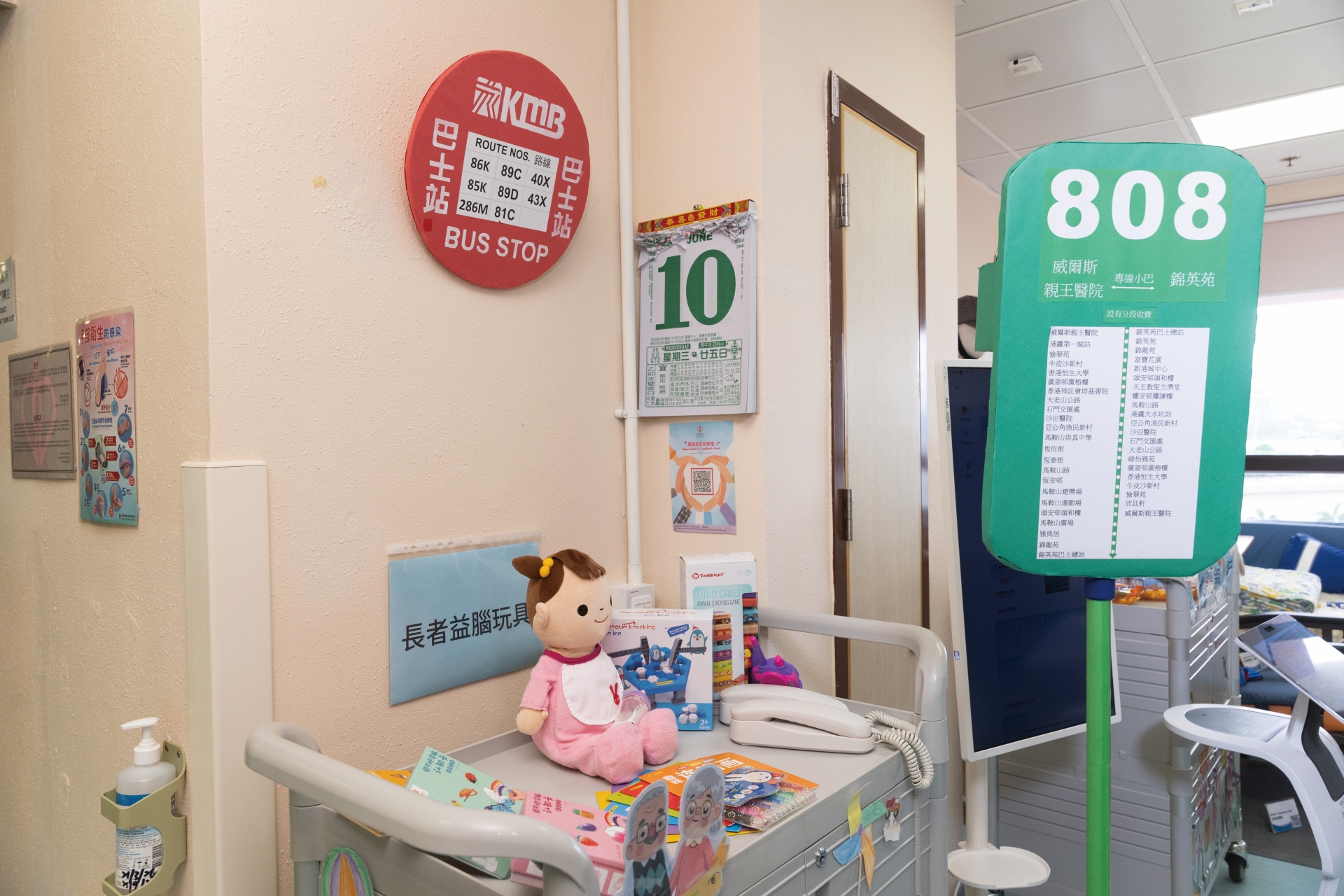
Since 2007, SH has actively promoted the fall and restraint reduction policy. To ensure patient autonomy and safety, the hospital has introduced various advanced technologies and equipment, such as airbag vests, low electric beds, and shock absorbing mats. Medical staff even create mock bus stops within the ward. When elderly patients with dementia become restless and insist on going home to take care of their grandchildren or heading out for yum cha in the morning, medical staff gently guide them to wait for the bus at the bus stop, allowing the elderly to feel a sense of freedom safely.
Charity footprints of the Hong Kong Celebrity Football Team

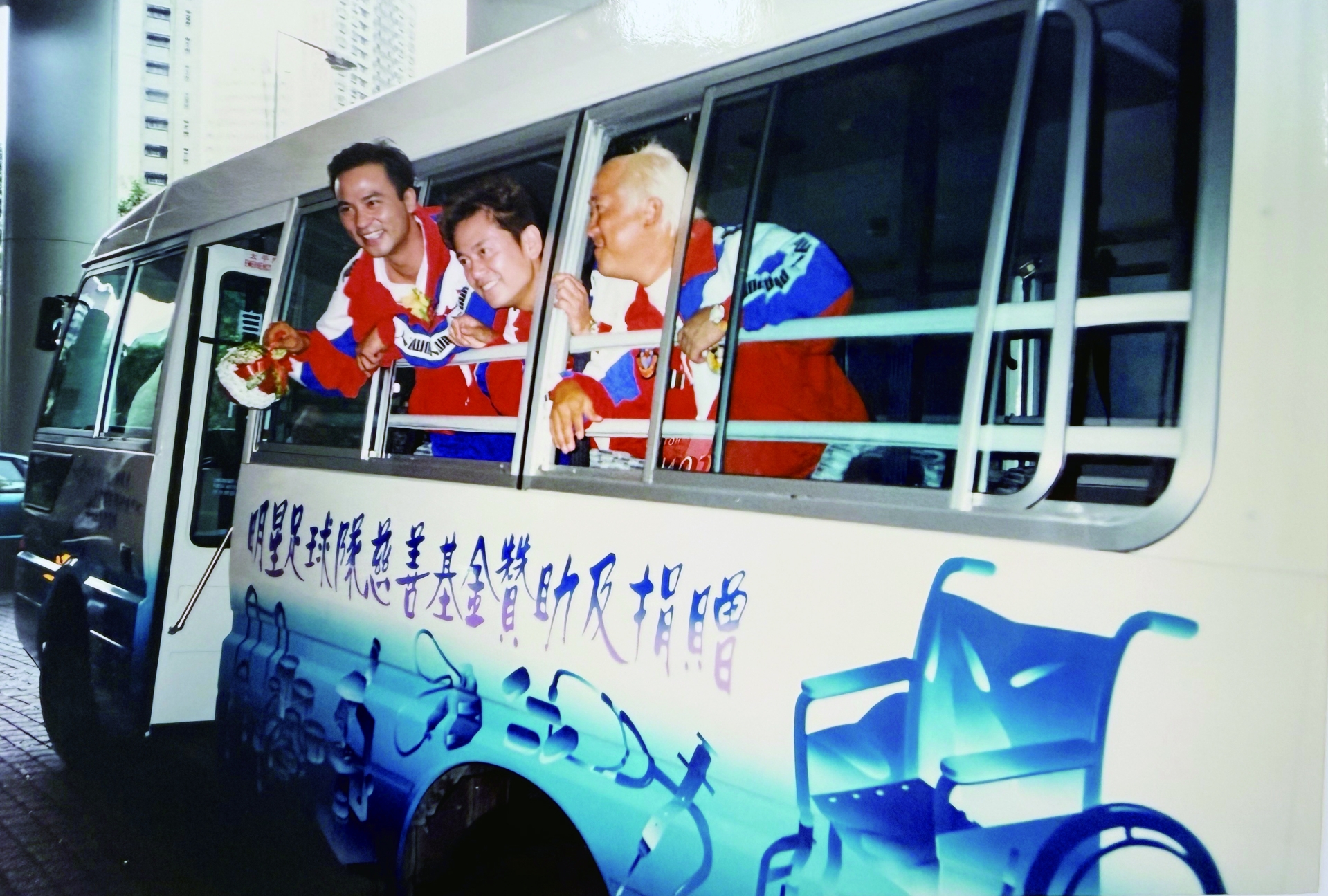
Years ago, the Hong Kong Movie Star Sports Association Charities made a generous donation of a minibus equipped with a wheelchair lift to support the hospital's geriatric outreach services. This bond blossomed further during a friendly football match held for the hospital's 20th anniversary. Stars such as Andrew Lam Man-chung, Law Kar-ying, Tai Chi-wai, and Felix Wong Yat-wa took to the pitch to play against the medical staff of Shatin Hospital and Bradbury Hospice. The Hong Kong Celebrity Football Team ultimately won the match.
Infinite creativity in the journey of rehabilitation
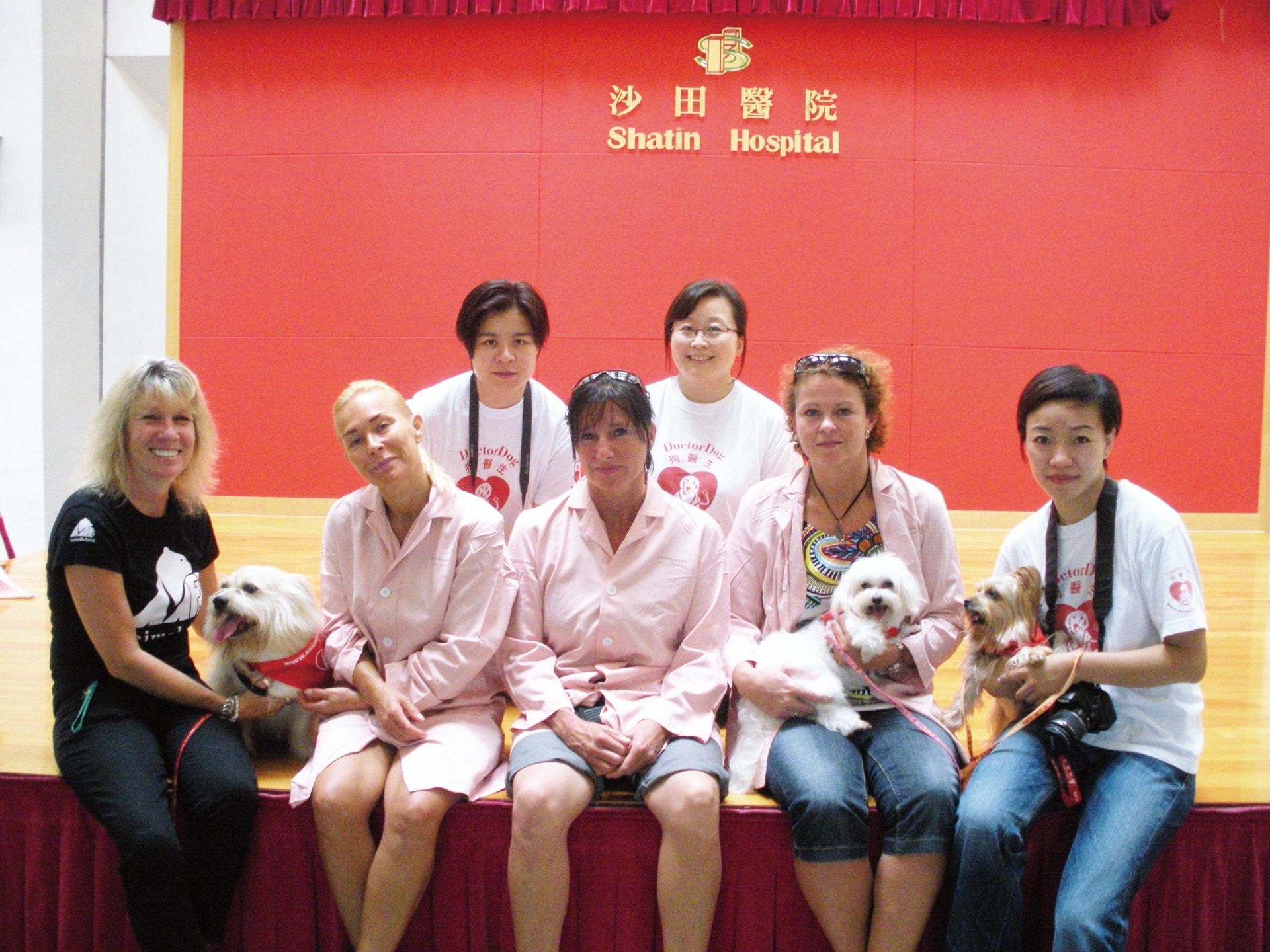
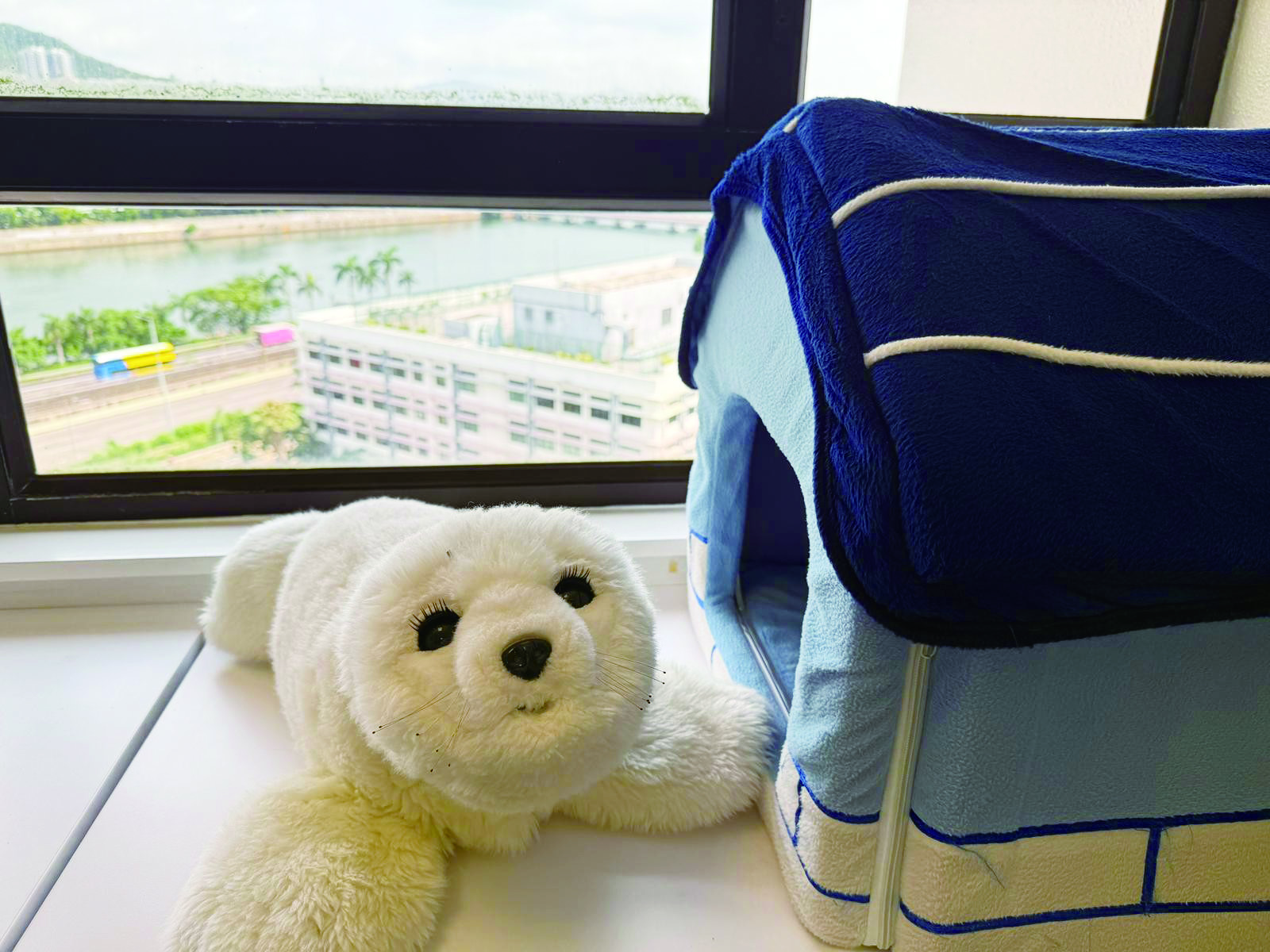
For years, Shatin Hospital has introduced diverse treatment plans for psychiatric and dementia patients. SH launched the pet visitation service in 1997, and introduced an artificial intelligence robotic pet named Paro (right photo) in 2012. By simulating interactions with a real pet, Paro helps patients stabilise their emotions and regain self-care skills. In recent years, the patrol robot Tem joined the team to assist in monitoring the ward environment and enhancing safety. Additionally, SH actively promotes horticultural therapy and doll therapy to help patients open up and rebuild their confidence.