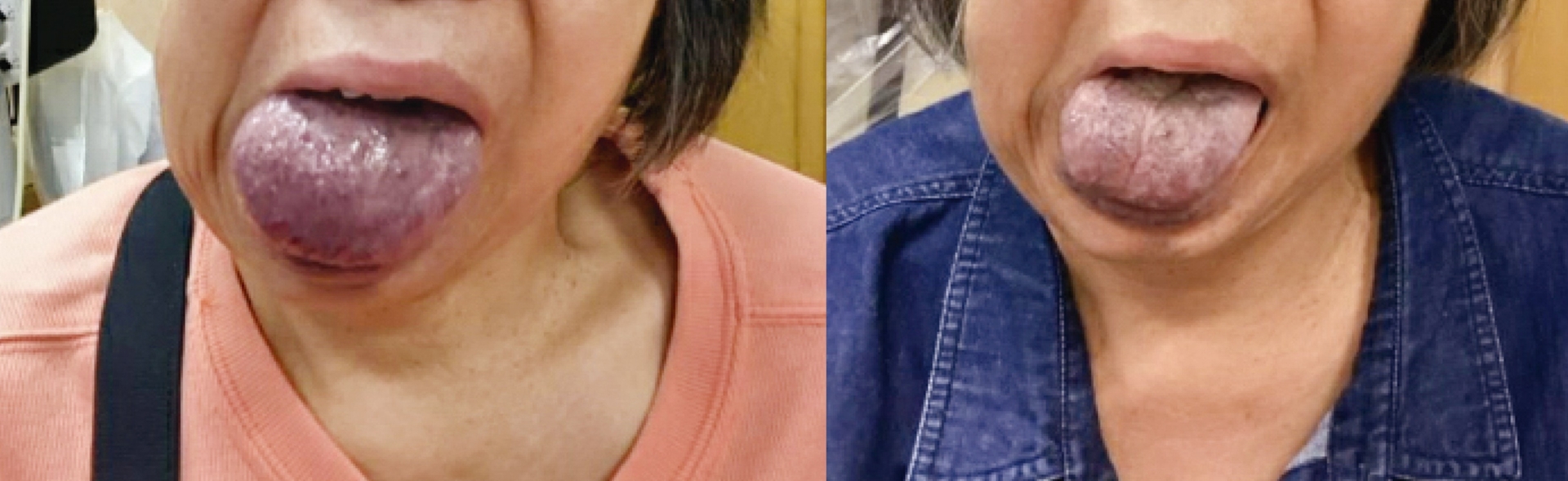
Smiles return to paediatric patients with vascular malformations after electro-sclerotherapy
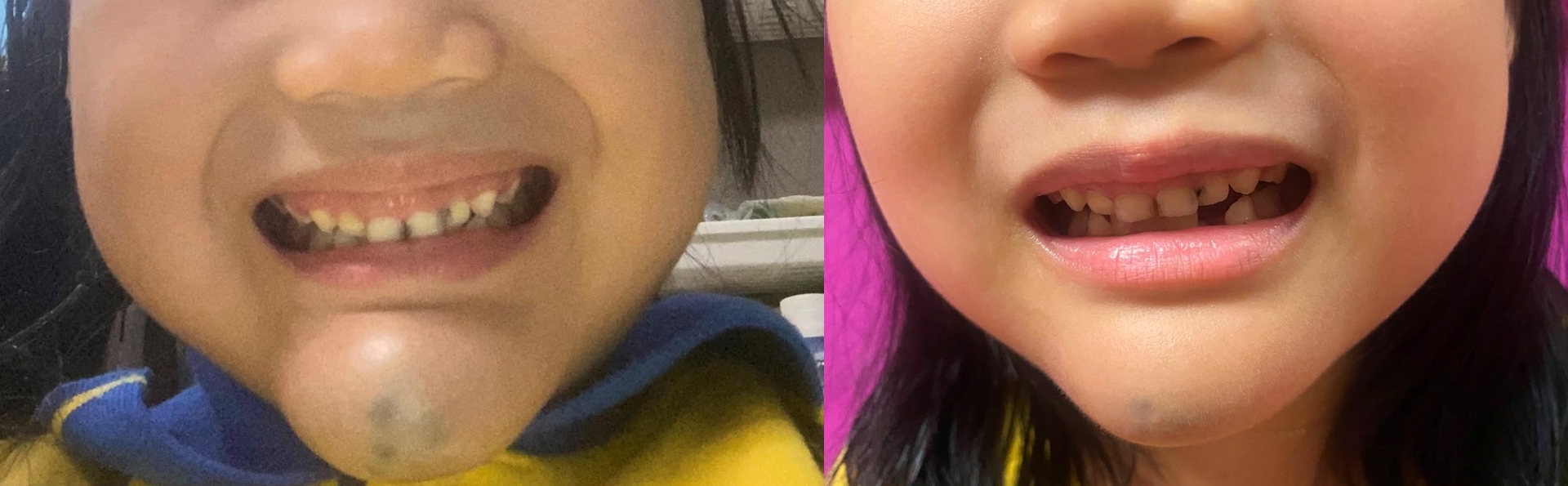
"I hope Yan-yan could undergo treatment before going to primary school this year to improve her appearance and help her integrate into her new school life more easily." This is a simple wish of Yan-yan's mother. Yan-yan is now six years old. She was found to have a lump on her chin at birth, which was later diagnosed as congenital vascular malformation. She underwent four traditional treatments but with little success. Although Yan-yan remained cheerful, her mother was still worried about her future social life. In 2025, Queen Mary Hospital (QMH)'s multidisciplinary team introduced bleomycin electro-sclerotherapy (BEST) equipment to enhance drug efficacy, offering Yan-yan the opportunity to undergo the new treatment before going to primary school. "Yan-yan has been smiling much more since the treatment! With the swelling in her chin gone, she goes to school happily and carefreely every day, no longer caring what other people think," her mother says.
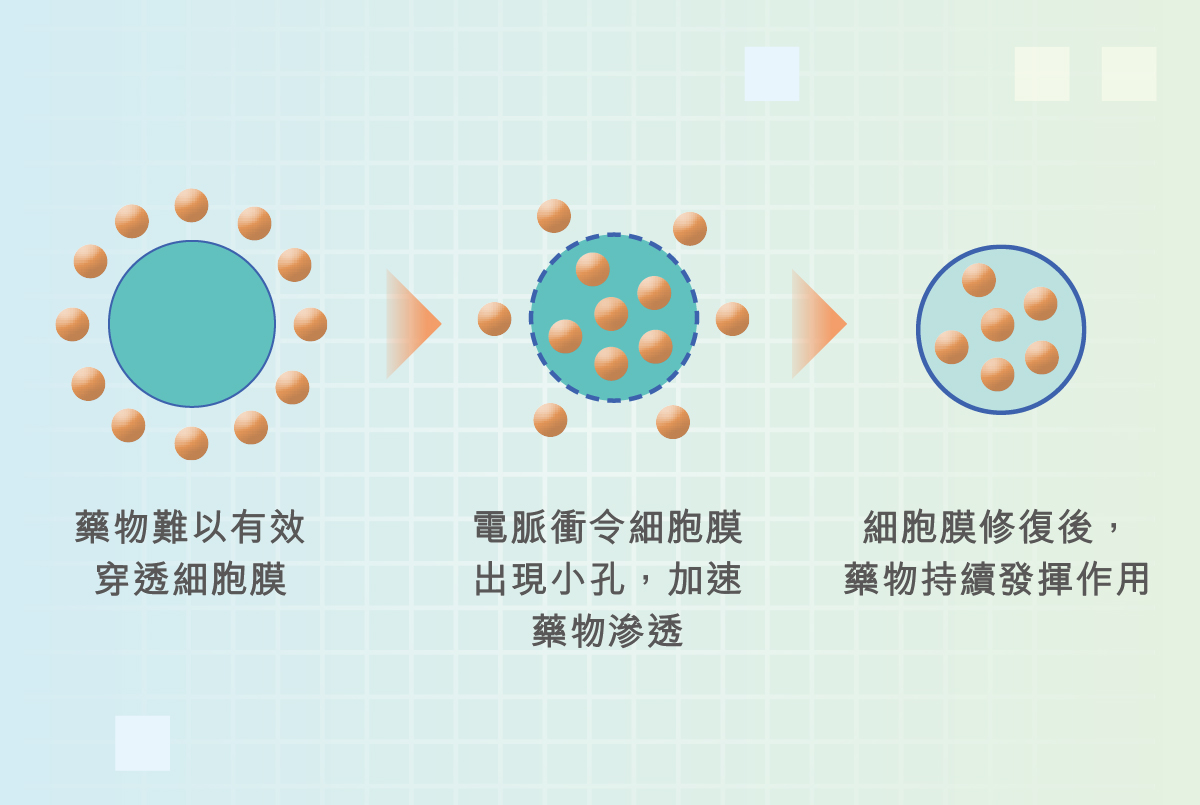
Increasing drug uptake by at least 750 times
Vascular malformations are congenital abnormalities in blood vessel structure that can occur in arteries, veins, lymphatic vessels, or capillaries. Beyond affecting appearance, the condition causes swelling, pain, and bleeding, and in some severe cases, impairs bodily functions. Traditionally, sclerotherapy has been the primary treatment, where a sclerosant is injected directly into the lesion to shrink and solidify abnormal vessels. However, efficacy of traditional treatment remains limited for stubborn cases.
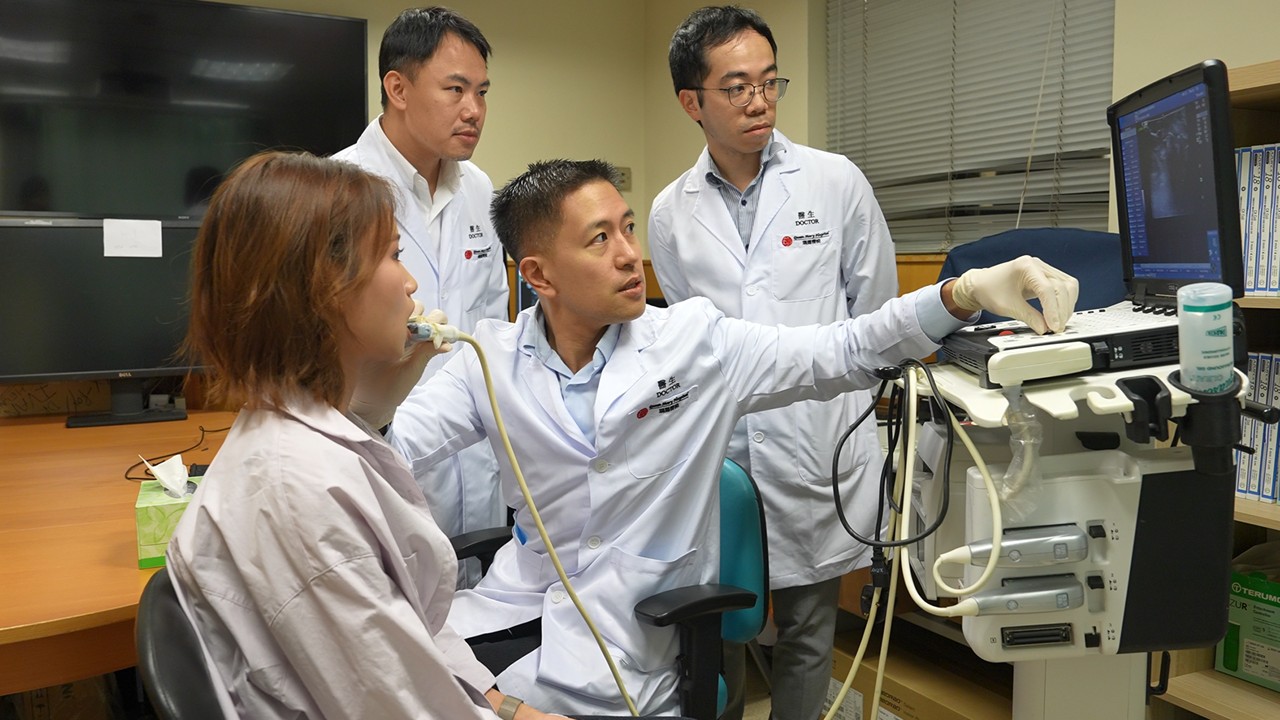
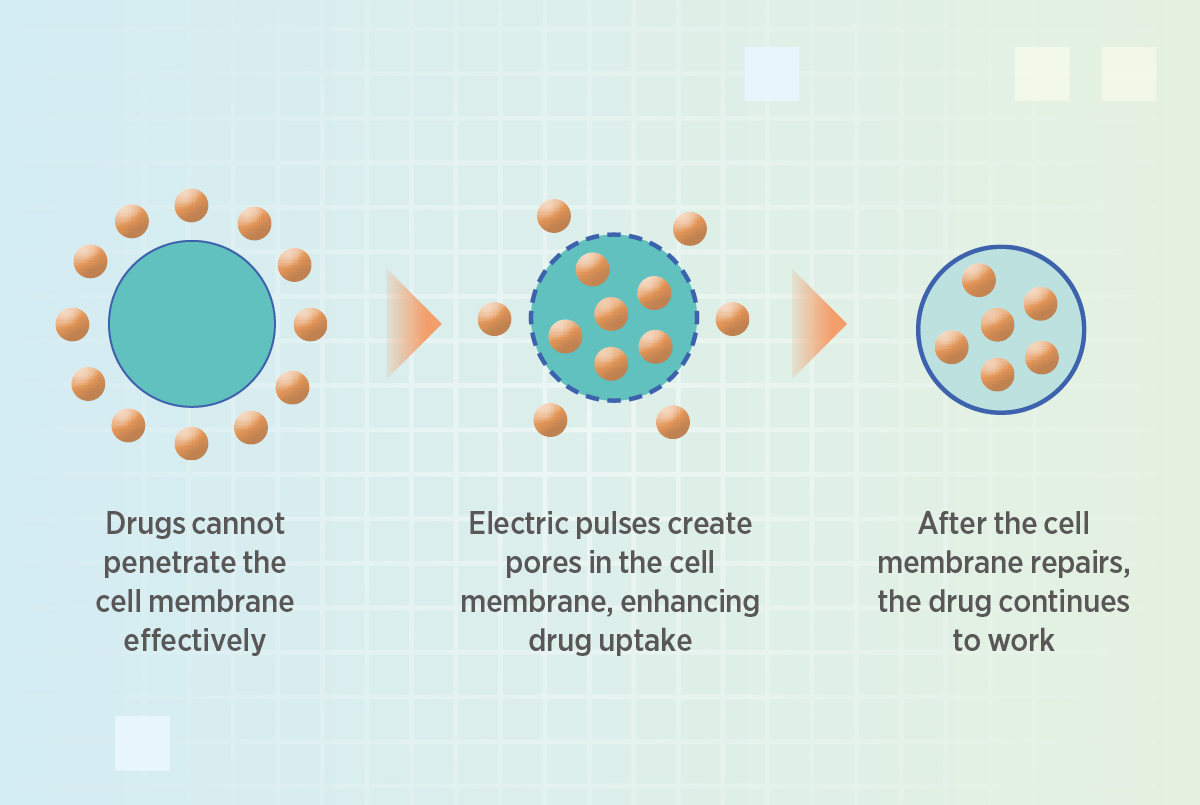
Dr Edward Chu Yin-lun, Consultant Radiologist at the Department of Radiology at QMH, states: "The newly introduced BEST technology overcomes previous limitations. During drug injection, electric pulses temporarily open pores in cell membranes, allowing the sclerosant to penetrate cells more effectively. A study shows that this technology increases drug uptake by at least 750 times. It substantially enhances treatment efficacy, reduces medication dosage and minimises side effects, making it significantly safer for paediatric patients whose bodies are still developing."
Becoming the first paediatric case in Asia
QMH established a comprehensive vascular malformation multidisciplinary team comprising specialists from radiology, paediatric surgery, and head and neck and plastic surgery, providing personalised care through joint consultations. Over the past three years, the team has recorded over 150 attendances and successfully completed at least 12 adult and three paediatric cases using BEST, with promising treatment outcomes. Notably, the team is the first in Asia to successfully apply this new technology to children. A seven-year-old boy, whose lesion was located on his back, struggled to sleep in a supine position. After receiving the new treatment, his condition improved and he resumed his normal daily life. Yan-yan was also one of the first batch of paediatric patients to receive the new treatment. Her mother shares, "the surgery yielded excellent results. Yan-yan is visibly happier and much more confident, and her teachers and younger brother have all complimented her on how much better she looks."
The success of this new technology offers a beacon of hope for patients with vascular malformations and paves the way for broader applications in the future. The team hopes to expand its use to tumor treatments and progressively roll it out in more public hospitals to benefit more patients in need.